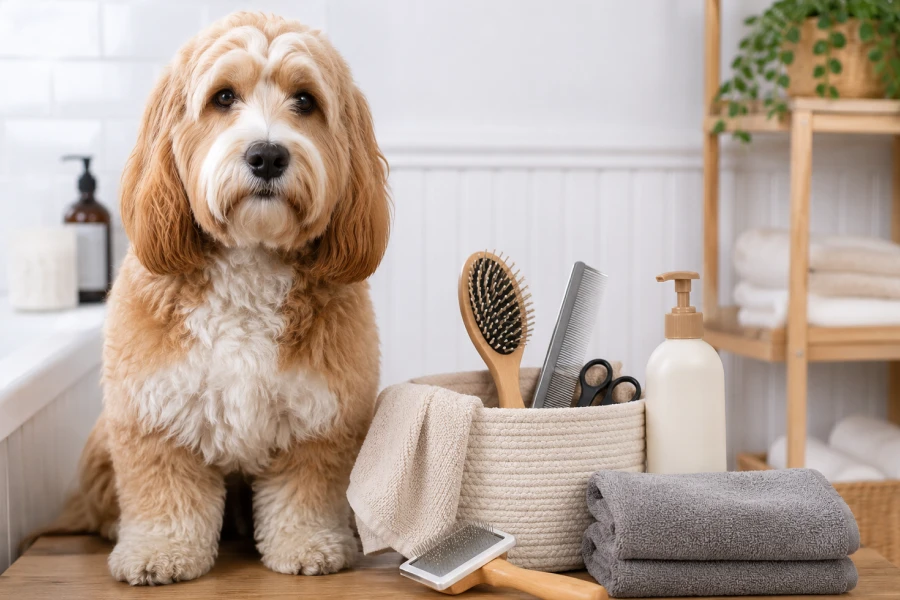
Dog grooming basics give owners a practical way to care for coats, nails, ears, paws, and skin without feeling overwhelmed. Grooming may look simple from the outside, but dogs vary widely in coat type, tolerance, and maintenance needs. A calm, step-by-step approach helps you avoid common mistakes. It also turns grooming into a routine your dog can understand. When owners learn the essentials, they can support comfort between professional visits and notice potential concerns earlier. Clean dogs often feel better, move better, and relax more easily at home.
Before picking up tools, look at your dog closely. Notice coat texture, shedding, odor, skin condition, nail length, paw pads, and ear cleanliness. Observation helps you decide what needs attention. It also prevents unnecessary grooming that may irritate your dog.
A beginner grooming ebook can guide these checks in a simple order. That structure helps owners stay calm. It also teaches grooming as prevention, not only cleanup.
Brushing supports comfort, especially for dogs that shed, mat, or collect debris outdoors. It removes loose hair and helps you find tangles before they tighten. Dogs with longer or thicker coats may need more frequent sessions than short-coated breeds.
Keep brushing sessions short at first. Reward cooperation and stop before your dog becomes frustrated. Over time, many dogs learn that brushing brings attention, relief, and positive interaction.
Bathing works better when you prepare before turning on the water. Brush first, gather supplies, protect ears from excess water, and use dog-safe shampoo. Rinsing thoroughly matters because leftover product can irritate the skin and create itching.
A brushing and bathing checklist helps owners avoid rushing. Preparation creates smoother sessions. Dogs often respond better when the process feels predictable and gentle.
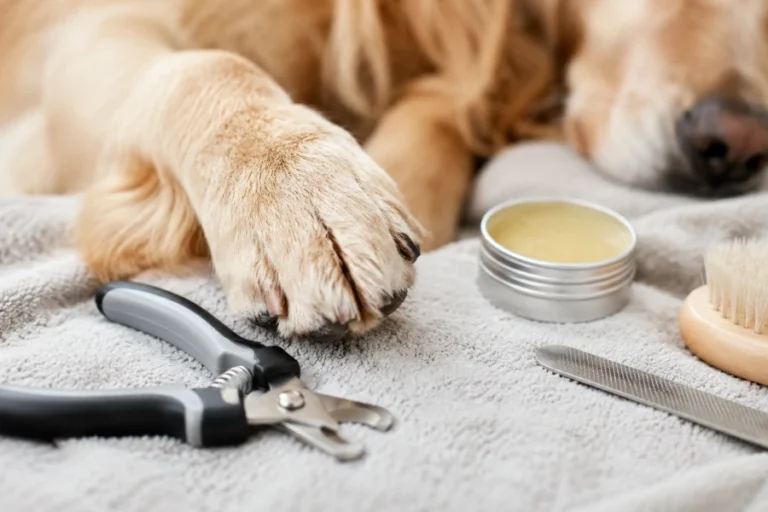
Nails, ears, and paws deserve regular attention because problems there can affect comfort quickly. Long nails may make walking awkward. Dirty ears may smell unpleasant or show irritation. Paw pads can collect debris, salt, mud, or small injuries.
You do not need to force every task in one session. Handle paws briefly, reward calm behavior, and build tolerance gradually. For painful or severe issues, a veterinarian or professional groomer should help.
Some dogs dislike grooming because of fear, past experiences, pain, or simple unfamiliarity. Sensitive dogs need slower steps. Let them sniff tools, reward calm moments, and use breaks generously. A relaxed pace can prevent grooming from becoming a battle.
A grooming confidence toolkit can help owners plan kinder sessions. Confidence grows when you know how to adjust. Your dog benefits from patience and predictability.
Grooming should become part of regular wellness, not an emergency response to mats, odor, or overgrown nails. Small sessions prevent bigger problems and help dogs accept handling. They also strengthen your ability to notice changes.
With the right habits, grooming becomes less intimidating. You build trust through consistency. Your dog stays cleaner and more comfortable, while you gain practical skills that support everyday care.


Leave a comment