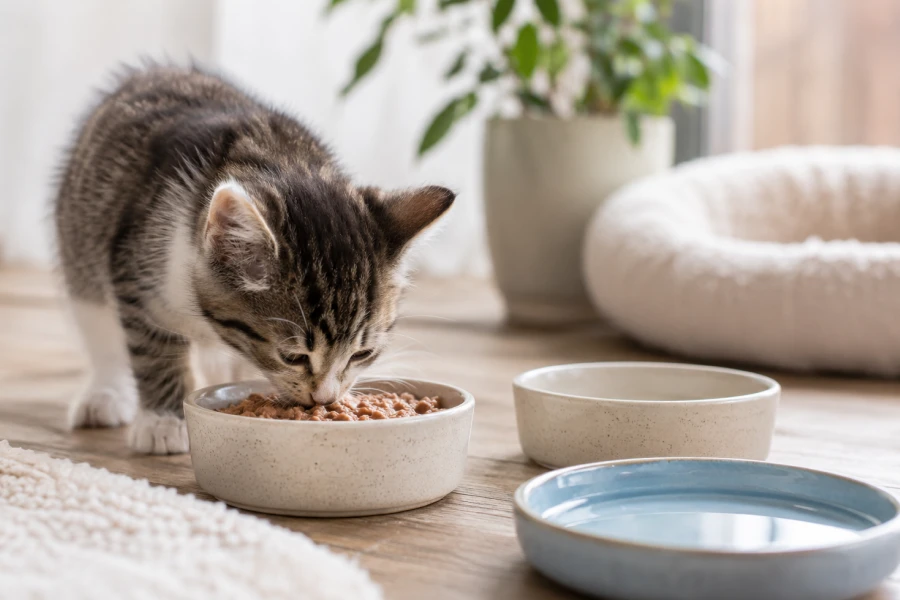
Choosing the best food for kittens can feel confusing when every package promises healthy growth, strong immunity, and better ingredients. New cat owners often want one perfect answer, but kittens have different needs, appetites, and sensitivities. The smarter goal is learning how to evaluate food with confidence. Once you understand life stage needs, label basics, portion guidance, and transition habits, the decision becomes much easier. Your kitten needs meals that support fast development while staying gentle on digestion. A practical approach helps you avoid overthinking and focus on what truly supports daily wellness.
The life stage claim should be one of the first details you check. Kittens need formulas made for growth because their bodies demand more targeted nutrition than adult cats. A food may look premium, but that does not automatically make it suitable for a young kitten.
Growth-focused meals support energy, muscle development, bones, and brain function. This is why a growth-focused nutrition tips resource can help you evaluate products calmly. You start with function, not branding.
Kittens usually thrive on food that provides quality animal-based protein and enough fat for energy. These nutrients support rapid development and active play. Moisture also matters, especially because many cats do not drink large amounts of water on their own.
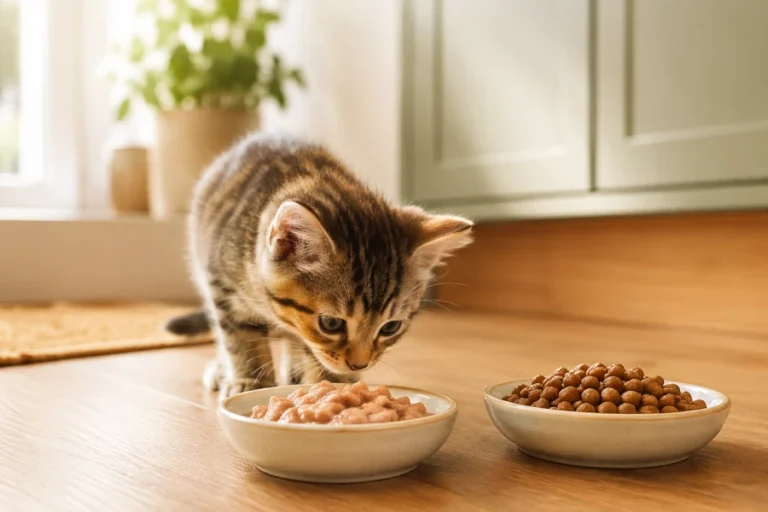
Wet food, dry food, or a thoughtful mix can all work depending on your kitten and your routine. The important part is balance. Your choice should suit your kitten’s age, digestion, appetite, and veterinarian guidance.
Daily feeding works best when it feels predictable. Kittens often need multiple small meals because their stomachs are small and their energy needs are high. Measuring portions helps prevent underfeeding and overfeeding. It also makes changes easier to track.
A kitten meal schedule can simplify mornings, evenings, and busy days. Instead of reacting randomly, you follow a structure. That structure helps your kitten feel secure and supported.
Food labels can overwhelm owners because they include nutrients, claims, ingredients, calories, and feeding instructions. Break the process into smaller steps. Confirm the food supports growth, review calorie guidance, and check whether the ingredient list matches your comfort level.
Marketing words should not lead the decision alone. Terms that sound wholesome may not explain nutritional quality. The real test combines label information with your kitten’s actual response after eating.
Transitions deserve patience. Changing food too quickly can lead to stomach upset, loose stools, or food refusal. Mix the new food gradually with the current food and increase the new amount over several days. This slower pace protects digestion.
A food transition checklist helps you stay consistent during this process. It also reminds you to monitor appetite, stool quality, energy, and comfort. Small observations prevent bigger feeding problems.
The right choice should support your kitten’s growth and fit your real life. You need food your kitten eats well, digests comfortably, and receives consistently. Expensive does not always mean better, and trendy does not always mean appropriate.
Confidence comes from knowing what to check and how to respond. When you understand the basics, you can compare options without panic. Your kitten benefits from steady care, thoughtful meals, and a feeding plan you can maintain.



Leave a comment