A dog grooming checklist helps owners stay organized when caring for coats, nails, ears, paws, bathing needs, and skin checks. Grooming can feel messy when tasks happen randomly or only after problems appear. A checklist turns care into a repeatable routine. It helps you remember what to inspect, what supplies to use, and when to slow down. Dogs often respond better when grooming feels predictable instead of sudden. With a clear system, you can protect comfort, reduce odor, prevent tangles, and build confidence during home care.
Consistency makes grooming easier. When tasks happen regularly, they usually take less time and feel less stressful. Brushing small tangles is easier than removing mats. Checking nails often is easier than correcting overgrowth. Routine care prevents many avoidable problems.
A dog hygiene routine helps owners connect grooming with everyday wellness. Instead of treating it as cosmetic, you see it as comfort care. That mindset improves follow-through.
Before starting, look over your dog’s body. Notice coat condition, smell, shedding, skin irritation, lumps, paw pads, ears, and nails. This quick inspection helps you decide which tasks matter most that day. It also prevents unnecessary handling.
Gather supplies before your dog enters the grooming space. Brushes, towels, shampoo, treats, nail tools, and cleanup items should be ready. Preparation keeps the session calm and efficient.
Coat care should match your dog’s needs. Some dogs require daily brushing, while others need weekly attention. Long, curly, or thick coats may mat quickly. Short coats still collect loose hair, dirt, and seasonal shedding.
A beginner grooming ebook can help owners understand coat differences. Once you know your dog’s coat type, grooming becomes more targeted. That saves time and reduces discomfort.
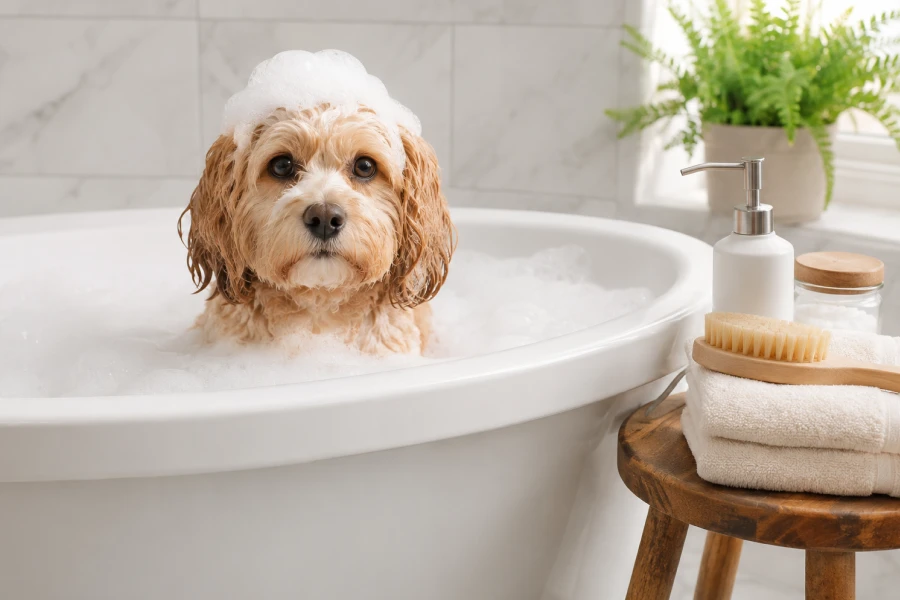
Bathing belongs on the checklist, but timing should depend on your dog’s lifestyle and skin. Use gentle dog-safe products, rinse thoroughly, and dry well. Watch for scratching, redness, flakes, odor, or greasy buildup after baths.
Skin comfort matters because grooming should help, not irritate. If your dog reacts badly to products or frequent washing, adjust the routine. Veterinary advice may help when symptoms continue.
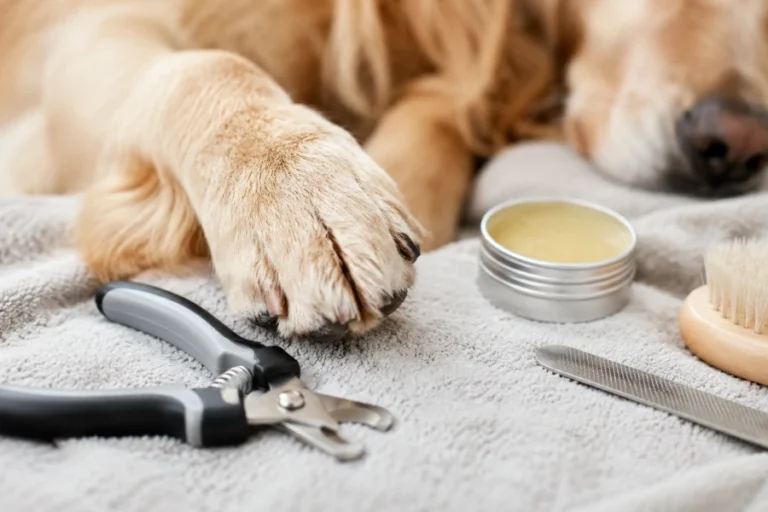
Nails, ears, and paws are easy to overlook until discomfort appears. Check nail length, paw pads, toe spaces, ear smell, and visible irritation. These small areas affect movement, balance, cleanliness, and comfort more than many owners realize.
A brushing and bathing checklist can pair well with nail and paw reminders. Written prompts keep care complete. They also help households share grooming responsibilities more easily.
Grooming can become a bonding ritual when owners use patience and positive reinforcement. Keep sessions short, reward cooperation, and respect signs of stress. Dogs learn best when care feels safe and predictable.
A checklist does more than organize supplies. It supports better habits, cleaner routines, and closer observation. Over time, grooming becomes a normal part of caring for a healthy, comfortable dog.


Leave a comment