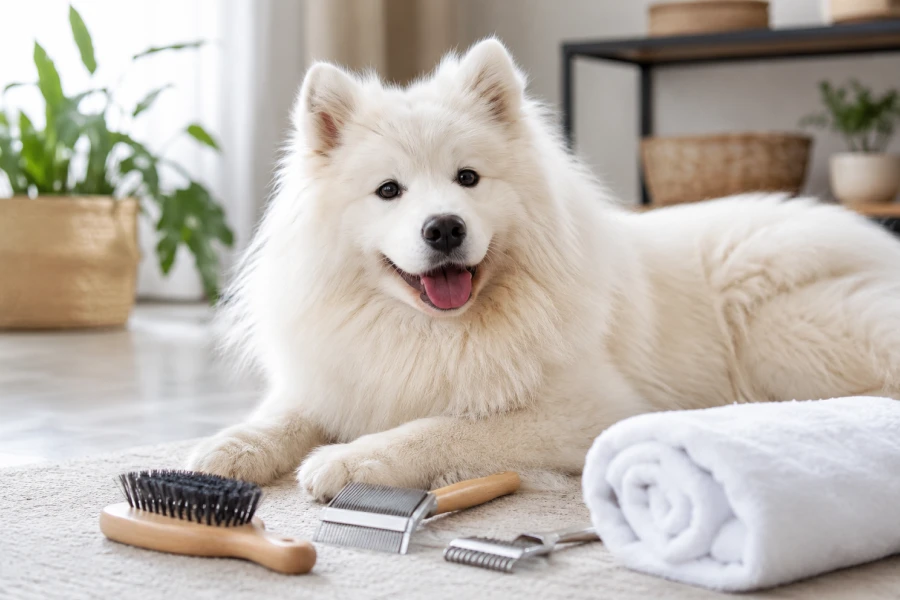
At home dog grooming helps owners maintain cleanliness and comfort without depending on professional appointments for every small task. Professional grooming can still be valuable, especially for complex coats, but daily care happens at home. Brushing, paw checks, gentle baths, nail awareness, and ear observation all support wellness. Many dogs also benefit emotionally when handling becomes familiar in a calm environment. The key is learning what you can safely do and when to ask for help. A practical routine can make grooming feel less stressful for both owner and dog.
Dogs learn through repeated experiences. When grooming happens gently and predictably, handling becomes less surprising. Short sessions help dogs understand that brushing, paw touches, and towel drying do not need to feel scary. Trust grows slowly but meaningfully.
A clean dog care plan can help you decide what to practice each week. Clear routines reduce pressure. They also prevent owners from waiting until grooming feels urgent.
The grooming area should feel safe, bright, and easy to clean. Gather tools before starting so you do not leave your dog waiting. Use a non-slip surface if possible. Keep treats nearby and remove distractions that may increase excitement.
Calm preparation makes a noticeable difference. Dogs often mirror the owner’s energy. If you rush, grip tightly, or show frustration, your dog may resist more. A relaxed setup supports better cooperation.
Coat maintenance is one of the easiest ways to prevent discomfort. Brushing removes loose hair, reduces tangles, and helps distribute natural oils. For dogs prone to mats, regular brushing can prevent painful pulling close to the skin.
At-home coat maintenance works best when you match frequency to coat type. Long, curly, or double coats may need more attention. Short coats still benefit from regular checks.
Bathing should feel controlled and gentle. Use lukewarm water, dog-safe shampoo, and careful rinsing. Avoid getting water directly into the ears or eyes. Afterward, dry your dog thoroughly, especially in folds, thick coats, and cooler weather.
Baths do not need to happen too often unless your dog’s lifestyle or veterinarian recommends it. Overbathing may dry the skin. Balanced timing keeps your dog clean without causing irritation.
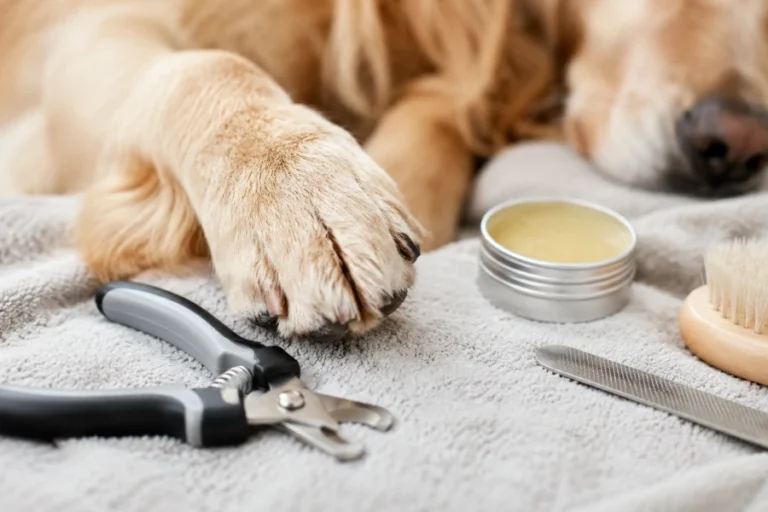
Paws and ears often reveal problems early. Check between toes for debris, redness, or irritation. Look at nails and paw pads. Notice ear odor, wax buildup, head shaking, or scratching. These signs may call for closer attention.
An ear and paw care guide can help owners know what to watch. Gentle checks should never become painful. If something looks serious, professional support is the safest choice.
Weekly grooming does not need to be complicated. A few minutes of brushing, paw handling, and body checks can prevent many common issues. Dogs also become more comfortable when routines happen before problems feel intense.
Home care gives you a closer connection with your dog’s needs. You notice what feels normal and what changes. That knowledge supports cleaner habits, better comfort, and more confident pet ownership.


Leave a comment