
A responsible pet parent toolkit gives owners the structure they need to care for animals with confidence, patience, and consistency. Responsible care includes love, but it also includes planning, prevention, daily routines, and honest observation. Pets depend on people for food, safety, health support, grooming, activity, and emotional connection. That can feel like a lot, especially for new owners. A practical toolkit helps turn responsibility into manageable habits. When care becomes organized, owners feel less overwhelmed, and pets benefit from a calmer, healthier home.
Responsible care starts before problems appear. Owners need to think about nutrition, safety, vet care, training, enrichment, grooming, and emergency readiness. These areas connect closely, so ignoring one can affect the others. A complete approach keeps priorities visible.
A pet parent digital download can help organize these responsibilities into clear sections. That makes follow-through easier. It also helps owners return to basics whenever life changes.
Safety is one of the most practical parts of pet parenting. Secure cleaning products, cords, small objects, unsafe foods, medications, and fragile items. Give pets spaces where they can rest without constant interruption. These changes reduce accidents and lower stress.
Outdoor safety matters too. Leashes, carriers, identification, weather awareness, and travel planning all protect pets beyond the home. Responsible owners prepare because emergencies rarely arrive at convenient times.
Behavior improves when pets understand expectations and receive enough enrichment. Training should stay patient, consistent, and realistic. Animals learn through repetition and clear feedback. Owners also need to consider sleep, exercise, fear, boredom, and health before blaming behavior.
Training and behavior support gives owners a more thoughtful way to respond. Instead of reacting emotionally, you look for patterns. That approach protects trust and encourages better habits.
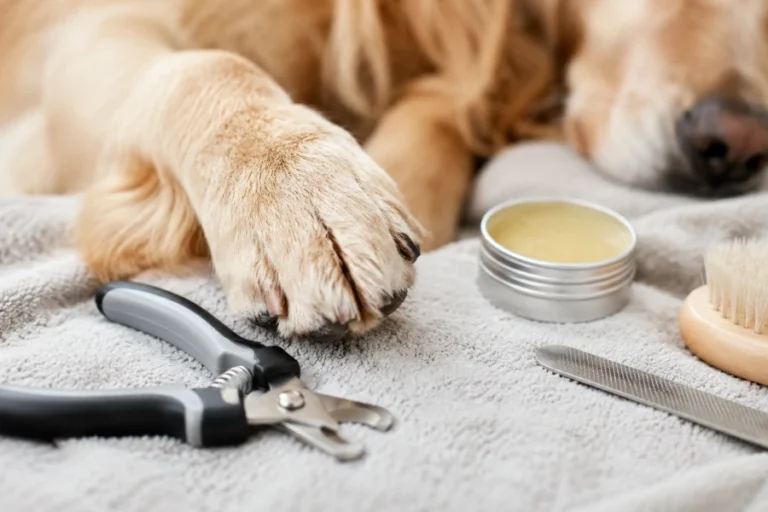
Responsible owners notice changes. Appetite, drinking, bathroom habits, coat condition, smell, movement, and energy all provide information. Regular grooming can also reveal lumps, skin irritation, parasites, or discomfort. These small checks support early action.
Veterinary care still matters, but daily observation fills the gaps between appointments. You know your pet’s normal behavior best. When something feels different, written notes can help your vet understand the situation faster.
Family pet care works best when responsibilities are clear. One person may handle feeding, another may manage walks, and someone else may track grooming or supplies. Without communication, tasks can be repeated or missed. A shared system prevents confusion.
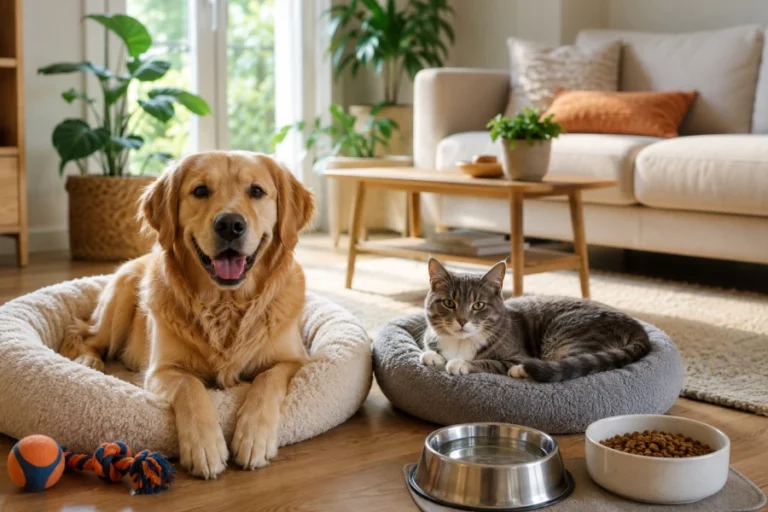
Multi-pet care guidance can also help households balance different needs. Every animal has its own personality, health profile, and comfort zone. Organized care respects those differences.
No owner handles every day perfectly. Busy schedules, travel, illness, and unexpected events can disrupt routines. Responsible pet parenting means returning to good habits quickly. It also means preparing systems that make consistency easier.
Pets do not need flawless people. They need attentive people who keep learning and improving. With practical resources and steady routines, responsible care becomes a natural part of everyday life.


Leave a comment